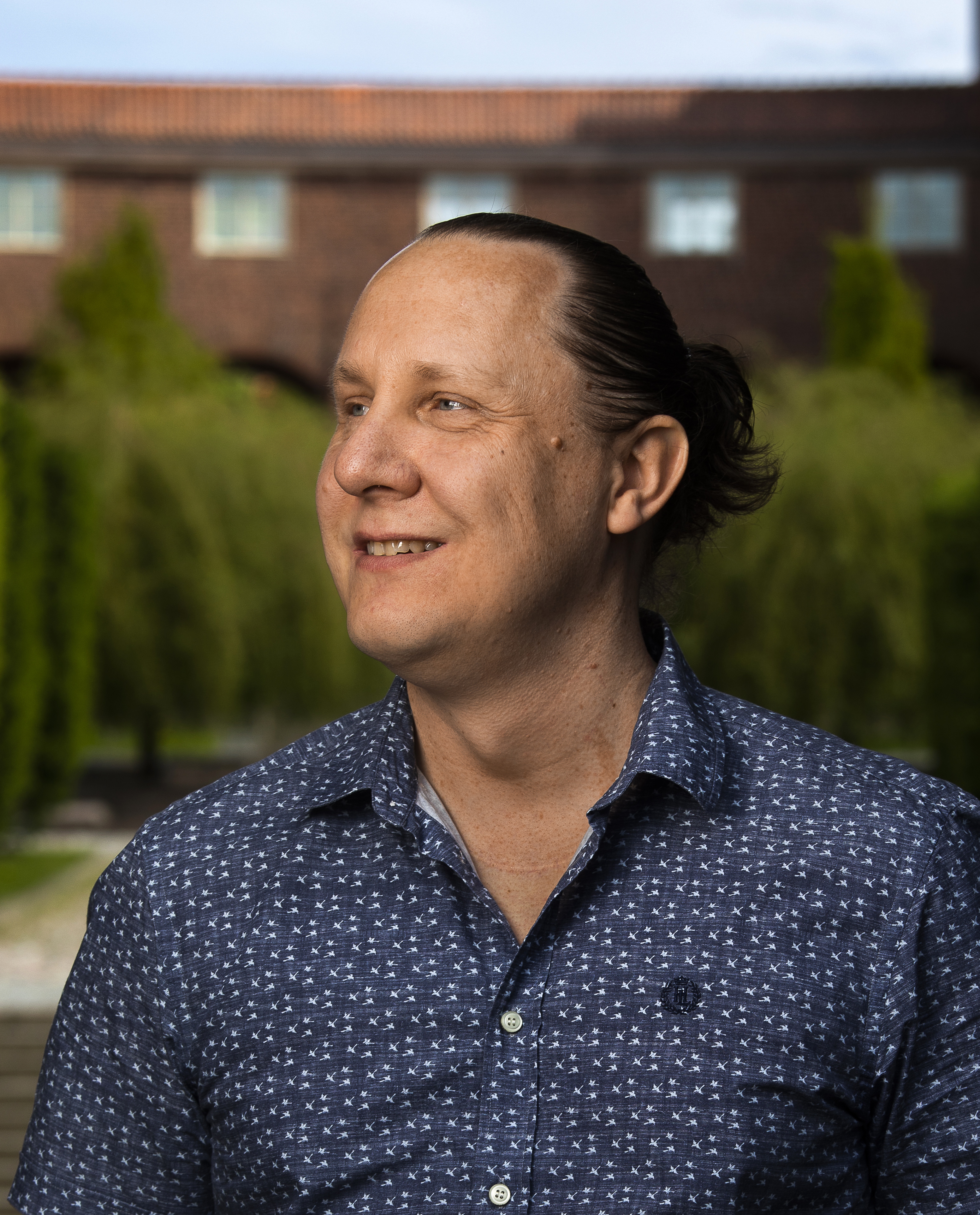
 Prof. Dr. Martin Månsson is an experimental materials physicist at KTH Royal Institute of Technology in Stockholm, where his research programme bridges sustainable materials and quantum materials through advanced experimental characterization. His work focuses on understanding and developing functional materials for sustainable energy harvesting, storage, and utilization, including solar-cell materials, batteries, hydrogen-storage materials, superconductors, permanent magnets, and low-dimensional quantum systems. Central to his research is the use of large-scale experimental techniques, particularly neutron scattering, muon spin spectroscopy, synchrotron radiation, and laser-based spectroscopy, to probe structure, magnetism, ion dynamics, and electronic properties in complex materials. A key feature of Prof. Månsson’s research is the combination of fundamental condensed-matter physics with materials challenges relevant to future energy technologies. He has contributed to the development and application of muon spin spectroscopy as a non-destructive method for studying intrinsic ion diffusion in energy materials, including systems where buried interfaces, thin films, multilayers, or complete devices are central to performance. In parallel, his quantum-materials research addresses correlated electron systems, quantum magnets, superconductors, and materials with novel magnetic and electronic ground states. At KTH, he leads research activities within Sustainable Materials Research & Technologies and contributes to national and international strategies for neutron and muon science. Since 2016, he has also served as Director of Studies for SwedNess, the Swedish national graduate school in neutron scattering, helping to build Swedish expertise in large-scale facility science and advanced materials characterization. In addition, he is the Program Director of KTH-RELAX, KTH’s strategic research programme for research at large-scale experimental facilities.

Powered by Indico
v3.2.9