The First LHAASO Collaboration Conference in 2026
A102
Kechuang Building
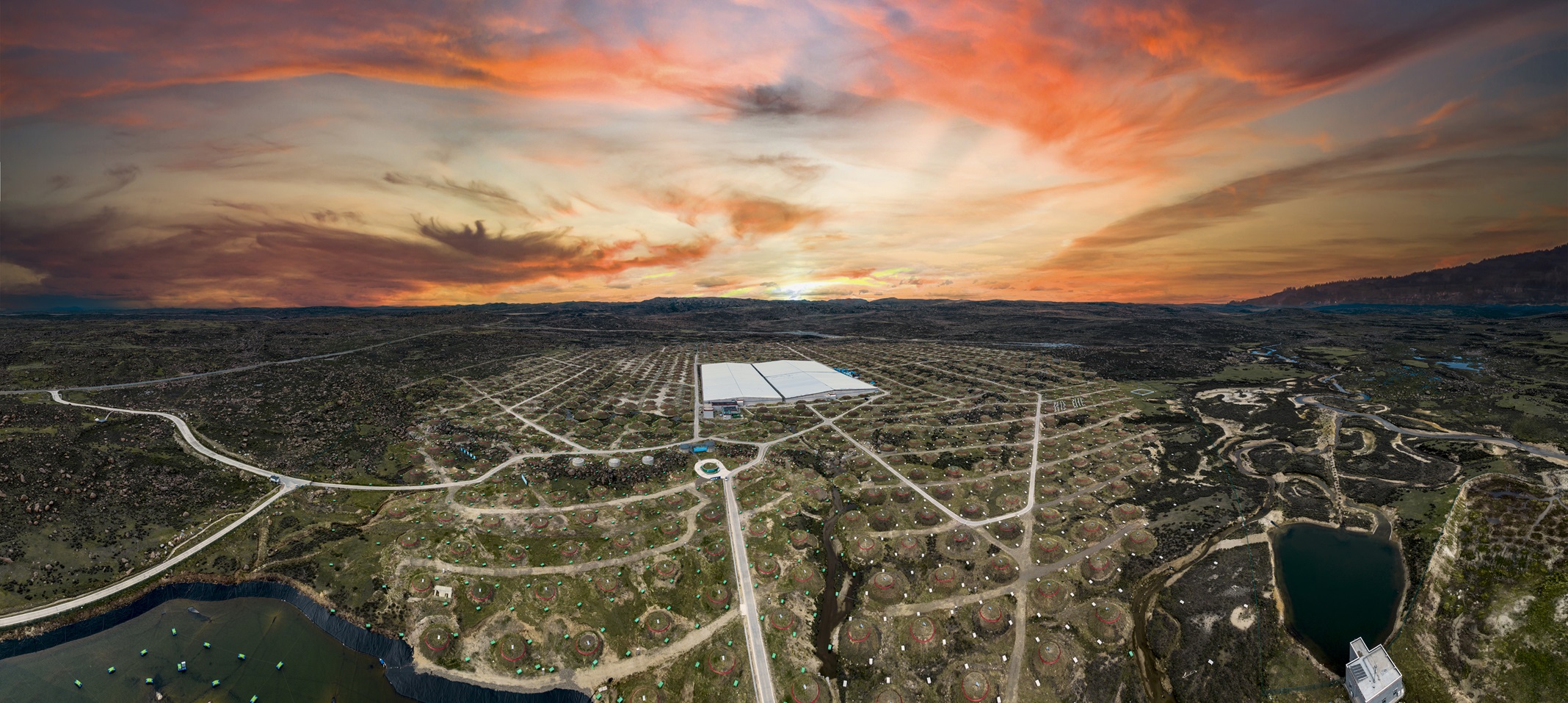
The First LHAASO Collaboration Conference in 2026 will be held from April 25th to 29, 2026 at Nanjing University, Suzhou Campus in the city of Suzhou, Jiangsu Province, China, and host by Institute for Deep Space Exploration Science and Technology at Nanjing University. The conference room is Kechuang Building A102.
For foreign colleagues who need to attend the meeting in person and require visa assistance, please contact Prof. Ruoyu Liu (ryliu@nju.edu.cn) before Feb.23 2026. Only members of the LHAASO Collaboration and their current students are eligible to attend. Please register on the conference website. Registration fee for faculty members and students are 1500 RMB and 1000 RMB respectively.
This conference will feature invited talks, oral presentations, and poster presentations in English. Authors of oral presentations and posters are required to submit their abstracts for review. "Best Poster Award" is set up, and the posters submitted for the award must meet the printing requirements: 60cm(Width )* 90cm(length).
Important Dates:
2026 Jan.8 - First Announcement
2026 Jan.16 - Registration Open
2026 Feb.23 - Registration End
2026 Mar.25 -Abstract Deadline
2026 Apr.25 - Reception
2026 Apr.26-29 Conference
Alexandre Inventar
Andrii Neronov
Bai BAI Yunxiang
Benyang Zhu
Benzhong DAI
Bing Liu
Bing Theodore Zhang
Bing Zhang
Bo-Qiang Ma
Changxu Zhou
Chao Hou
Chao Yang
Chao Zhang
Chaonan Tong
Cheng LIU
Chenyuan Xu
Chingam Fong
Chong Ge
Cong Li
Cuiyuan Dai
Cunfeng Feng
Dingrong Xiong
Dmitri SEMIKOZ
Dmitriy Khangulyan
Dong Liu
Dongxu Sun
DY Peng
Ensheng Chen
Felix Aharonian
Feng Cong
Fulai Guo
Guangman Xiang
Gwenael Giacinti
Haibo LI
Hanrong WU
Hao Zhou
Hao-Ning He
HaoHui Zhang
Haotian Wang
He Jiayin
Hongbin Tan
Houbing Jiang
Houdun Zeng
hu liu
Huang(黄) Yong(勇)
Huicai Li
Huihai He
jia 刘佳
Jiachun He
jian Li
Jianeng Zhou
Jianhe Zheng
jiayi zhu
Jieshuang Wang
Jing Zhao
Jirong Mao
Jumpei Takata
Ka Ho Yuen
Ka Wai Ho
Kai Wang
Kai Yan
Kenny Chun Yu Ng
Kun Jiang
Kwan Lin Kristy Fu
Lifeng Chen
Lingling Ma
Liping Wang
Long Li
Luobu Danzeng
Manqi Ruan
Maoyuan Liu
Mariam HASAN
Miao Long
Min Zha
Ming Wei
P. H. Thomas Tam
Ping Zhou
Qi-rui Yang
Qiang Yuan
Qin-Yi Cheng
Qingwen Tang
Qingwen Wu
Qiwang Sun
Quanbu Gou
Ramiro Torres Escobedo
Rong-Lan Li
Rui Zhang
Ruiyi Tang
Ruizhi Yang
Runke Tang
Ruopu Han
Ruoyu Liu
Samy Kaci
Sarira Sahu
Sergio Hernandez Cadena
Sha WU
Shaoqiang xi
Shicong Hu
Shoushan Zhang
Siming Liu
Sizhe Wu
songzhan(松战) CHEN(陈)
Suhong Chen
Suyu Wan
Tong Liu
Vittoria Vecchiotti
Wei GAO
Wei LIU
Weizhen Zhang
Wenlian Li
Wenyu Cao
Xian Hou
Xiang-Yu Wang
Xiao ZHANG
Xiao-Jun Bi
Xiaoli Huang
Xiaopeng Zhang
Xiaoting Feng
Xiaoxi Zhou
Xiaoyuan Huang
Xinran Hao
Yang Chen
Yanzhuang Xu
Yao Ge
Yaodong Cheng
Yaosong Cheng
YI XING
Yi-Heng Chi
Yiwei Bao
Youliang Feng
Yufei Huang
Yunfeng Liang
zhanfeng zhu
Zhang Xingfu
Zhe Li
Zhen Xie
Zheng-De Zhang (张正德)
Zhiyong You
Zhiyuan Li
Zhiyuan Pei
Zhuo Li
Zihang Liu
ZIQI HUANG
Ziwei Ou
一楠 吴
世鹏 王
佰宁 徐
其祚 吴
冯 少辉
凯 刘
刘 林杰
厚地 邢
大海 闫
天扬 李
天赐 郑
姝玮 麻
婧 罗
婧洁 王
宇 罗
家俊 黄
家毅 王
崇阳 任
广威 王
建立 张
张 慧谦
志鹏 张
思羽 陈
恭川 柴
成淼 蔡
扬轩 刁
昊龙 董
星宇 李
晓斌 陈
晗语 王
晶 苏
暑业 廖
杉杉 许
村鼎 郝
树旺 崔
桓 杨
梓杰 黄
梦尧 李
毅 张
炜 张
然 杜
煜 张
玄龄 张
玉东 王
祥东 盛
祥廷 刘
稳懿 边
羿云 黄
臻 曹
航 范
芳羽 刘
蕊豪 敬
虹宇 蒲
诗岩 王
轩昂 叶
辉 朱
远川 邹
鑫鹏 崔
铭阳 倪
陈 世龙
陈 姿伊
霖 周
鸿飞 张
-
-
14:00
→
19:30
Reception A102
A102
Kechuang Building
NO.1520 Taihu Blvd, Suzhou, Jiangsu, China
-
14:00
→
19:30
-
-
08:30
→
10:30
session: open address A102
A102
Kechuang Building
NO.1520 Taihu Blvd, Suzhou, Jiangsu, ChinaConvener: Ruoyu Liu (Nanjing University)-
08:30
open address 10m
-
08:40
2025 Cao Zhen Scholarship and Teaching Award 10m
-
08:50
PCC work report 10m
In this talk, I will report the recent work of PCC.
Speaker: songzhan(松战) CHEN(陈) (中科院高能物理研究所) - 09:00
- 09:10
-
09:20
LHAASO Data Quality Check & Monitoring 10m
The data quality is of core importance for an experimental collaboration. LHAASO collaboration has made great efforts to monitor the operation status of detectors and ensure the quality for selected data is good enough for future analysis. In this talk, I will give a brief introduction about the data check and monitoring for 3 sub-arrays, including KM2A , WCDA and WFCTA.
Speaker: Cong Li (高能所) -
09:30
selected topics on modeling LHAASO sources 30mSpeaker: Bing Zhang
-
10:00
Large-Scale Kink Instability as a Particle Accelerator in Relativistic Jets 30m
Magnetic fields are ubiquitous in relativistic outflows and are expected to play a central role in the acceleration of nonthermal particles. In recent years, particle-in-cell studies have shown that the current-driven kink instability can efficiently convert magnetic energy into energetic particles, but this picture has largely been developed for kinetic scales, highly magnetized plasmas, and regions close to the compact object. In this talk, we explore how the same instability can extend to the large, MHD scales of mildly magnetized (low-$\sigma$) jets. Motivated by recent LHAASO observations of the eastern lobe of SS 433, which indicate a highly ordered magnetic field aligned with the jet flow, we perform high-resolution 3D relativistic MHD simulations that couple jet dynamics, particle energization, and polarized synchrotron ray tracing. We follow how large-scale kink modes reshape the jet morphology, redistribute magnetic flux, and trigger favorable conditions for efficient particle acceleration. Overall, our results suggest that large-scale kink instability may has the potential to accelerate particles up to ~PeV energies in relativistic outflows.
Speaker: Ka Wai Ho (Kavli Institute for Theoretical Physics, UCSB)
-
08:30
-
10:30
→
10:50
group photo and coffee break 20m A102
A102
Kechuang Building
NO.1520 Taihu Blvd, Suzhou, Jiangsu, China -
10:50
→
12:30
session: cosmic-ray physics A102
A102
Kechuang Building
NO.1520 Taihu Blvd, Suzhou, Jiangsu, ChinaConvener: Shoushan Zhang (Institute of High Energy Physics)-
10:50
Summary of Cosmic Ray energy spectra and compositions by LHAASO 20m
Summary of work as a coordinator in cosmic ray physics and important progress made by LHAASO in cosmic ray energy spectrum measurement
15minsSpeaker: lingling Ma (ihep) -
11:10
The joint measurement of proton fluxes with DAMPE and LHAASO around 100 TeV 20m
LHAASO is a composite cosmic ray observatory comprising KM2A, WCDA, and WFCTA detector arrays. One of the core scientific goals is to precisely measure the energy spectra of individual cosmic ray components, establish a bridge between space-borne and ground-based experiments to constrain the origin, acceleration, and propagation mechanisms of cosmic rays. This work presents the joint measurement of proton fluxes around 100 TeV using DAMPE and LHAASO. By operating six WFCTA telescopes at a zenith angle of 8° in hybrid mode with KM2A, the energy threshold is lowered to ~50 TeV. Energy reconstruction combines the Cherenkov photons from WFCTA and the muon count from KM2A, achieving a resolution better than 20%. High-purity proton samples are selected using composition-sensitive parameters, with an efficiency of 30% and purity exceeding 80%. The resulting proton spectrum from 50–400 TeV exhibits a clear and smooth hardening around 100 TeV.
Speaker: Dr Suhong Chen (IHEP) -
11:30
A new approch for absolute energy scale calibration above 100 TeV utilizing cosmic ray iron Moon shadow 20m
The absence of cosmic ray flux data with known energy and composition in the high-energy range makes it impossible to perform a direct absolute calibration of the energy scale for ground-based cosmic ray experiments. This leads to a discrepancy between the measured cosmic ray energy and its true energy, which affects not only the fine structure of the cosmic ray spectrum but also the absolute flux of the energy spectrum. The Moon shadow formed by cosmic rays blocked by the Moon will experience a westward shift due to the magnetic field between the Earth and the Moon. The magnitude of this shift is inversely proportional to the energy of the cosmic rays and directly proportional to their charge. Consequently, the Moon shadow shift can be utilized to calibrate the absolute energy scale of ground-based cosmic ray experiments. However, at 100 TeV, the westward shift of protons and helium nuclei, which make up the majority of cosmic rays, is too small compared to the pointing accuracy of the detectors, making the measurement of the shift at energies above 100 TeV with large systematic uncertainty. This study proposes a method for calibrating the absolute energy of cosmic rays at 100 TeV using the Moon shadow formed by irons and estimates the capability of LHAASO to measure the iron Moon shadow.
Speaker: Liping Wang (IHEP) -
11:50
Measurement of the Proton-Air Inelastic Cross Section at 1 PeV with the LHAASO KM2A and WFCTA Hybrid Observations 20m
In this work, the proton-air inelastic cross section at a primary cosmic ray energy of $1~\mathrm{PeV}$ is measured with LHAASO experiment. The analysis is based on hybrid observational data from KM2A and WFCTA. The depth of air shower maximum $X_{\max}$ is reconstructed using the WFCTA geometrical observable ${Dist}$. The distribution of $X_{\max}$ is strongly correlated with the exponential distribution of the first interaction depth $X_0$. The proton-air inelastic cross section is obtained through Monte Carlo calibration, using the k-factor method to relate the attenuation length of the exponential part of the reconstructed $X_{\max}$ distribution to the attenuation length of $X_0$. From the LHAASO experiment, the proton-air inelastic cross section at $1~\mathrm{PeV}$ is obtained as $\sigma_{p\text{-air}} = 391.84 \pm 11.8~(\mathrm{stat.})^{+13.53}_{-28.09}~(\mathrm{syst.})~\mathrm{mb}$, in an energy region not yet covered by other ground-based cosmic ray experiments.
Speaker: Mingyang Ni (Purple Mountain Observatory) -
12:10
Measurements of all-particle energy spectrum and mean logarithmic mass of cosmic rays around the second knee 20m
The cosmic ray all-particle energy spectrum exhibits a distinct softening at roughly $100 \, \rm PeV$, referred to as the second knee. This feature is widely regarded as signifying the cutoff of heavy Galactic nuclei and marking the onset of the Galactic-to-Extragalactic transition. Given the discrepancies in current experimental data regarding the second knee, the Large High Altitude Air Shower Observatory (LHAASO) is uniquely positioned to provide a definitive measurement. Based on the coincident detection of muons and electromagnetic particles at LHAASO, a robust energy reconstruction parameter $N_{\rm e \mu}^{\rm all}$ has been established, demonstrating its minimal sensitivity to primary composition and hadronic interaction models. This newly developed energy reconstruction method allows for an expanded effective area and a consequent increase in event statistics, while simultaneously mitigating saturation effects in electromagnetic particle detectors. Applying the aforementioned parameter to LHAASO-KM2A data, our preliminary analysis confirms the existence of the second knee and reveals a leveling-off trend in the mean logarithmic mass towards heavy nuclei beyond $100 \, \rm PeV$.
Speaker: Qin-Yi Cheng
-
10:50
-
12:30
→
14:00
Lunch 1h 30m Kechuang dining hall
Kechuang dining hall
-
14:00
→
18:00
session: IB meeting A102
A102
Kechuang Building
NO.1520 Taihu Blvd, Suzhou, Jiangsu, China
-
08:30
→
10:30
-
-
08:50
→
10:30
session: PWN & pulsar halo A102
A102
Kechuang Building
NO.1520 Taihu Blvd, Suzhou, Jiangsu, ChinaConvener: Dmitriy Khangulyan (高能所)-
08:50
Summary of Pulsar-related studies in past 5 years 20m
This is a summary of convener's work on pulsar-related studies. (15 min + 5 min)
Speaker: Ruoyu Liu (Nanjing University) -
09:10
Observation of an UHE Source LHAASO J2027+3657 and its Potential Counterpart 20m
LHAASO J2027+3657 is an ultra-high-energy (UHE) gamma-ray extended source discovered by LHAASO in the Cygnus region. No significant gamma-ray emission with energy below 25 TeV has been detected from this source, and ground-based facilities like H.E.S.S. and HAWC have not detected it either, making the origin of its emission especially interesting. In this study, we use the latest LHAASO data to perform a detailed analysis of the morphology and spectrum of LHAASO J2027+3657. The morphology of the source exhibits a particularly elongated shape, and we achieved higher significance by fitting the source using an elliptical template. The potential candidate counterparts in the extended region have been investigated. Additionally, we correlate molecular clouds in the source direction using data from the Milky Way Imaging Scroll Painting (MWISP) project, examine observations from Fermi-LAT and X-ray instruments, and discuss possible emission mechanisms based on these results.
Speaker: Dr Chao Hou (IHEP) -
09:30
LHAASO J2028+3352: an elliptical pulsar halo candidate 20m
We present an analysis of the source 1LHAASO J2028+3352 reported in the 1LHAASO catalog. The source is spatially coincident with the pulsar PSR J2028+3332, which has a characteristic age of 580 kyr. Based on the LHAASO data, our fitting results reveal that the source exhibits a large extension and an elliptical spatial morphology. These observational characteristics support the source as a candidate of pulsar halo.
Speaker: Chengmiao Cai (西南交通大学) -
09:50
A Potential Pulsar Halo: LHAASO J0634+0631 20m
We report a detailed LHAASO study of the extended very-high-energy $\gamma$-ray source LHAASO J0635$+$0619 and investigate its possible association with the middle-aged pulsar PSR J0633$+$0632 as a pulsar halo candidate toward the Monoceros Loop region. Using WCDA data collected from 2021 March to 2025 July and KM2A data from 2019 December to 2025 July, we performed a three-dimensional maximum-likelihood analysis of the source morphology and spectrum. The source is significantly detected above 1 TeV with a statistical significance of $11.65\sigma$. Morphological tests show that an extended diffusion template provides a better description than a simple Gaussian or point-source model, with a characteristic diffusion angle of $\theta_d = 1.83 \pm 0.27^\circ$. In the same region, WCDA also reveals a previously unreported point-like source spatially consistent with the TeV binary HESS J0632$+$057, which is included in the joint modeling.
The broadband LHAASO spectrum of LHAASO J0635$+$0619 can be described by either a power law with an exponential cutoff or a log-parabola model, indicating significant spectral curvature at tens of TeV. Multiwavelength considerations favor a leptonic origin associated with PSR J0633$+$0632 rather than a hadronic scenario. The source centroid is consistent with the pulsar position, while the observed TeV extent is much larger than the known arcminute-scale X-ray pulsar wind nebula, supporting an interpretation as a $\gamma$-ray halo produced by escaped electrons diffusing in the surrounding interstellar medium.
Assuming a pulsar-halo scenario, we model the spectral and surface-brightness distributions with an electron diffusion-loss framework. The preferred model suggests a low magnetic-field environment and yields an electron cutoff energy of about 100 TeV, a reasonable conversion efficiency from pulsar spin-down power, and a diffusion coefficient $D_0 = (5.2 \pm 1.3)\times10^{27}\ \mathrm{cm^2,s^{-1}}$ at 100 TeV, comparable to those inferred for the Geminga and Monogem halos. These results support the presence of a slow-diffusion environment around PSR J0633$+$0632. If confirmed, LHAASO J0635$+$0619 would represent another important pulsar halo system and may provide new insight into particle transport around middle-aged pulsars, especially in a possible supernova-remnant environment associated with the Monoceros Loop.
Speaker: Chongyang Ren (University of Science and Technology of China) -
10:10
Toward a Self-Consistent Model of Ultra-High-Energy Gamma-Ray Emission in Pulsar Wind Nebulae: Insights from LHAASO and ATNF Catalogs 20m
Pulsar wind nebulae (PWNe) are the dominant Ultra-high-energy (UHE) gamma-ray sources in the LHAASO catalog, suggesting that they are the dominant leptonic PeVatrons in our Galaxy. Despite this, very little is still known about their UHE gamma-ray emission, their number in the Galaxy, or their contribution to the gamma-ray emission of our Galaxy. In this work, we propose a self-consistent, data-driven model of the UHE gamma-ray emission of PWNe based on the ATNF and LHAASO catalogs. More specifically, we build a model of the UHE gamma-ray emission of PWNe that preserves the statistical relationships in the ATNF catalog and reproduces the number of PWNe detected in the LHAASO catalog.
To cope with the limited data available in the LHAASO catalog when performing fits to gamma-ray data, we introduce the concept of censored regression, which allows us to also use the information provided by unresolved sources. Using our model, we find that reproducing the number of PWNe detected by LHAASO requires either fractions of misaligned pulsars smaller (60\%) than usually found in the literature, or that some of the associations of PWNe with ATNF pulsars made by LHAASO may not be correct. In both cases, we find that, in order to reach self-consistency between radio and gamma-ray data, it is necessary that the majority of the unidentified sources in the LHAASO catalog are PWNe associated with an unseen pulsar.
Moreover, using our model, we also find that the contribution of unresolved PWNe to the total (diffuse) gamma-ray background measured by LHAASO in the $1-1000\,\rm{TeV}$ range is always smaller than 10\% (30\%). We conclude that PWNe mostly contribute to the source component of the UHE gamma-ray sky, while having almost no imprint on its diffuse component.
Based on: arXiv:2511.20452 [astro-ph.HE] (2025).
Speaker: Samy Kaci (Shanghai Jiao Tong University)
-
08:50
-
10:30
→
10:50
coffee break 20m A102
A102
Kechuang Building
NO.1520 Taihu Blvd, Suzhou, Jiangsu, China -
10:50
→
12:10
session: SNRs A102
A102
Kechuang Building
NO.1520 Taihu Blvd, Suzhou, Jiangsu, ChinaConvener: Yang Chen (Department of Astronomy, Nanjing University)-
10:50
Report on SNRs 20m
I will report progresses on studies of SNRs.
Speaker: Siming Liu (Southwest Jiaotong University) -
11:10
Updated LHAASO and Fermi-LAT analysis of a Complex Galactic Plane Region 20m
We performed a detailed analysis of a region in the Galactic plane between 52° and 55° longitude using data collected from the LHAASO-KM2A (1570 days) and WCDA (1137 days) detectors, as well as the GeV observations from the Fermi-LAT. This area is exceptionally rich, hosting multiple supernova remnants (SNRs), pulsars, and pulsar wind nebulae (PWNe) that emit from radio to TeV. Consequently, it provides an excellent testbed for investigating the history of particle acceleration, escape, and propagation within these sources. The Crab-like SNR/PWN system G54.1+0.3 is of particular interest, which is powered by the young pulsar PSR J1930+1852. To probe the particle transport conditions in this source, we performed theoretical modeling of its multi-wavelength emission using a recently developed framework for SNR-PWN systems.
Speaker: Mr Linjie Liu (Yunnan Observatories) -
11:30
A Multi-wavelength Study of the UHE γ-ray Source 1LHAASO J1839−0545u 20m
We report a dedicated study of the newly discovered extended ultra-high-energy (UHE) γ-ray source 1LHAASO J1839-0545u using data collected between December 2019 and July 2025. The source is significantly detected with statistical significances of 24σ, 25σ, and 16σ in the 1–25 TeV, 25–100 TeV, and >100 TeV energy bands, respectively. Its morphology is best described by a disk model with an extension of 0.41deg±0.02deg.
The position and spatial extension are highly consistent with those of FGES J1839.4−0554 detected above 10 GeV of Fermi-LAT, suggesting a common origin. Recent observations by Einstein Probe also reveal extended hard X-ray emission in the same region, characterized by an unusually hard photon index of ~1.2. In addition, analysis of MWISP 12CO data indicates the presence of associated dense molecular clouds.
A candidate supernova remnant, G26.6−0.1, lies within the region, providing a plausible site for particle acceleration. We propose that the broadband emission from X-rays to GeV–TeV γ-rays can be interpreted within a unified scenario in which high-energy particles accelerated by the SNR interact with the surrounding molecular environment.
In this framework, the γ-ray emission is naturally explained by hadronic interactions with dense gas, while the unusually hard X-ray spectrum can be attributed to nonthermal bremsstrahlung from an electron population whose low-energy spectrum is flattened by Coulomb losses in dense environments.
This scenario provides a self-consistent interpretation of the multi-wavelength morphology and spectral properties, and suggests that the source may represent an efficient cosmic-ray accelerator embedded in a dense environment.Speaker: Xiaobin Chen (Nanjing University) -
11:50
Gamma-ray observations of LHAASO J2005+3415 with LHAASO and Fermi 20m
Using observational data from the LHAASO and the Fermi-LAT, we conduct a systematic investigation of the sky region harboring the TeV gamma-ray source LHAASO J2005+3415. This source displays a notably extended spatial morphology and a relatively soft energy spectrum in the TeV band; its GeV counterpart, however, exhibits spatial and morphological consistency with the TeV emission, indicating a common physical origin for the multi-band gamma-ray radiation. Additionally, we report the discovery of two new gamma-ray sources in the southeastern portion of the LHAASO J2005+3415 field, with statistical significances of approximately 13.9σ and 7.5σ, respectively.
Speaker: Fangyu Liu
-
10:50
-
12:10
→
13:30
Lunch 1h 20m Kechuang dining hall
Kechuang dining hall
-
13:30
→
14:50
session: computing platform and AI A102
A102
Kechuang Building
NO.1520 Taihu Blvd, Suzhou, Jiangsu, ChinaConvener: Yaodong Cheng (IHEP)-
13:30
Application and Performance Analysis of Machine Learning for Gamma-Ray Discrimination in the Crab Nebula 20m
Based on ParticleNet, ParticleTransformer, and physics prior knowledge, we modified the model architecture and achieved a significant improvement in performance on the 2024 experimental data of the Crab Nebula. In addition, we explored a semi-supervised learning approach. Using the SimSiam training framework, we performed extensive pretraining on a large amount of experimental data, which helped alleviate the performance degradation caused by the mismatch between Monte Carlo simulations and real experimental data.
Speaker: Manqi Ruan -
13:50
AI for WCDA: models and data test 20m
In this report, we present our exploration of leveraging Vision Transformers to enhance the performance of WCDA. Using pre-trained ViT and Swin Transformer, we inject the hit's charge and time information into different color channels of the images and conduct a systematic study on the effects of patch number, image resolution, and other factors. Based on the above methodology, we achieve approximately a 1.6× sensitivity improvement in background rejection compared to traditional methods, along with certain gains in directional reconstruction.
Speakers: Shicong Hu (高能所) , Yong Huang -
14:10
AI for KM2A: models and data test 20m
The integration of AI and experimental physics has become a prominent trend, holding the promise of enhancing experimental performance without increasing engineering budgets. This report details the development of the LHAASO-AI model and presents its performance evaluation on both simulated and experimental data.
Speakers: Chenyuan Xu (之江实验室) , Xiangting Liu -
14:30
lhaaso computing platform 20m
This report will present the recent operation status of the LHAASO computing platform, including job execution, computing and storage resources, network conditions, data transmission systems, and so on.
Speakers: Jingyan Shi, Siqi Hou, Yaosong Cheng (高能所)
-
13:30
-
14:50
→
15:00
coffee break 10m A102
A102
Kechuang Building
NO.1520 Taihu Blvd, Suzhou, Jiangsu, China -
15:00
→
16:25
session: poster flash talks-1 A102
A102
Kechuang Building
NO.1520 Taihu Blvd, Suzhou, Jiangsu, ChinaConvener: Huicai Li (高能所)-
15:00
Energy and lnA reconstruction method based on superposition model 5m
The ``knee'' of cosmic ray spectra may reflect the maximum energy accelerated by galactic cosmic ray sources or the limit of the galaxy's ability to bind cosmic rays. Measurements of individual energy spectra are a crucial tool to understand the origin of the knee. Energy reconstruction and composition identification are foundations of the individual energy spectra measurements. One of the main scientific goals of Large High Altitude Air Shower Observatory (LHAASO) is measuring the cosmic ray energy spectra and composition from $\sim$ 10 TeV to $\sim$ EeV. In this work, a novel method for reconstructing energy and logarithm mass (lnA) based on a superposition model is introduced. Energy and lnA are reconstructed using two universal, composition- and energy-independent calibration lines. For zenith angle below 40 degree, the energy and lnA biases are within $\pm$5\% and $\pm$0.3, respectively, across all compositions. The method uses particle densities—measured by LHAASO’s electromagnetic and muon detectors at a fixed distance from the shower axis—rather than integrated particle counts in annular bands. The density-based approach improves resolution for both energy and lnA, especially for heavy nuclei. The resulting energy resolution ranges from below 5\% to $\sim 15\%$ above 1 PeV, the best mass resolution for iron achieved is below 25\% above 10 PeV. The hadronic model dependencies of energy and lnA are also reported. These dependencies scale with lg(E/A) and are nearly independent of primary composition.
Speaker: hu liu (SouthWest Jiaotong University) -
15:05
The study of the longitude development of muons in air shower 5m
Abstract: The longitudinal development of muons in air showers provides important constraints on cosmic-ray composition and serves as a test for hadronic interaction models. In this study, the muon production depth is reconstructed by analyzing muon arrival times over an energy range of 1 PeV to 50 PeV and a zenith angle range of 10°–30°. The depth at which muon production reaches its maximum is defined as X_{max}^{\mu} ; this parameter, along with the standard deviation of its distribution (\sigma(X_{max}^{\mu})), is sensitive to the primary composition of cosmic rays. By incorporating the effects of time, core, and angular resolution, as well as muon sampling, the reconstructed X_max^\mu for proton primaries at 10^16 eV achieves a resolution of 15 g/cm² with a bias of approximately 2 g/cm². For iron primaries at the same energy, the resolution is 15 g/cm² with a bias of about 17 g/cm². In addition, the dependence of this X_{max}^{\mu} reconstruction
method on hadronic interaction models is also discussed.Speaker: Xiaoting Feng (山东大学) -
15:10
Probing local cosmic-ray excesses through molecular clouds with LHAASO 5m
As a significant fraction of LHAASO gamma-ray sources are still unidentified, part of them could correspond to illuminated (obscured) molecular clouds, thus acting as so called « dark sources ». Indeed, interaction between cosmic rays and dense clouds can generate gamma-rays via p-p collisions and pion decay processes. Clouds could be illuminated by a nearby accelerator of cosmic-rays or by the cosmic-ray sea itself, slightly enhanced locally. This study aims to find correlations between LHASO faint gamma-ray sources and cloud catalogues such as the Miville-Deschenes catalog (2017). In the GeV band, several works partially treated this topic, focusing on a similar sample of cataloged clouds (Peron et al 2021) and on clouds from the Gould Belt, which are very massive and close. At higher energies, Gould Belt clouds have also been explored by LHAASO but can be seen only via stacking techniques because of their extreme extension (Cao et al 2025), while cataloged clouds have received only little attention (Sinha et al 2022). Since the cosmic-ray sea has a much higher flux at GeV than at multi-TeV, significant differences can be expected from the studies on the GeV band. Thus, using early results from faint sources of the LHAASO 2nd catalog, we identify promising regions where clouds spatially overlap with new LHAASO sources and require only a small cosmic-ray excess (<10) to potentially explain the gamma-ray emissions.
Speaker: Alexandre Inventar (APC) -
15:15
Research Progress on the Correlation between Cosmic Rays and Earthquake Precursors 5m
Primary high-energy cosmic rays induce extensive air showers in the Earth's atmosphere, with the fluxes of neutrons, muons and other secondary cosmic ray particles showing significant anomalies during the seismogenic and pre-earthquake stages of strong earthquakes. Existing studies have verified a distinct statistical correlation between ground-observed cosmic ray intensity anomalies and strong earthquakes, and relevant theoretical hypotheses on cosmic ray intensity variations triggering strong earthquakes have been proposed. Establishing a quantitative relationship between them based on current research is expected to develop a new earthquake early warning method. This paper systematically sorts out the research achievements on the cosmic ray-earthquake precursor correlation, and analyzes the earthquake-related observational data from the thermal neutron detector at Xizang University, providing a reference for the study of earthquake precursors by using cosmic ray observational data from the Qinghai-Tibet Plateau.
Speaker: Haolong Dong (西藏大学) -
15:20
Laboratory test of a lake-concept surface Water Cherenkov Detector prototype 5m
In gamma-ray astronomy, Water Cherenkov Detectors (WCDs) have been proven by large-scale projects like HAWC and LHAASO to be a highly effective technology for constructing large-area air shower observation arrays. For such arrays, the timing performance of individual detector units is of critical importance to the angular resolution. This study presents the prototype testing of a surface WCD based on the lake concept, designed for future ultra-high-energy cosmic ray (UHECR) and gamma-ray observatories.
The surface detector comprises a film-based bladder filled with purified water, which serves as the Cherenkov medium. This containment film is engineered to provide high mechanical strength and excellent light-tightness. Furthermore, it exhibits a low reflectivity of less than 6% for photons in the 350–750 nm wavelength range. As a result, the 8-inch photomultiplier tube (PMT)—mounted at the base of the detector and facing upwards—predominantly collects direct Cherenkov photons rather than delayed photons reflected along different optical paths. This minimization of scattered light significantly enhances the timing capabilities of the unit. Signal acquisition is performed using a CAEN V1743 digitizer for high-precision waveform analysis.
To systematically characterize the prototype, essential performance metrics such as light yield and time resolution were evaluated. Tests utilizing both vertical and inclined muon incidences across multiple positions revealed an inverse correlation between the measured charge and horizontal distance. This behavior closely mirrors the Geant4 simulations. As a key outcome, the detector unit achieved a remarkable time resolution of better than 2 ns, which provides immense potential for achieving high angular resolution of future surface WCD arrays.
Speaker: Ziqi Huang (Shandong University) -
15:25
Anisotropy Evolution from galactic CR to extragalactic CR 5m
Cosmic ray (CR) observatories have detected characters of CR anisotropy across different energy ranges including contributions from both galactic cosmic rays (GCRs) and extragalactic cosmic rays (EGCRs). We obtain simulation CR anisotropy results by back-tracing test particles in turbulent magnetic fields. For GCRs, we discuss the anisotropy dipole flip happened between about 10 TeV to several hundred TeV. For EGCRs, we show our theoretical prediction for the EGCR anisotropy in the galactic magnetic field model (GMF). In the 'knee' region, we suggest the anisotropy can be a probe for distinguishing the GCRs and EGCRs.
Speaker: Wenyi Bian (Shanghai Jiao Tong University) -
15:30
The Effect of Interplanetary Coronal Mass Ejection on TeV Anisotropy 5m
Coronal Mass Ejections (CMEs) are rapid energy-release events in which a large amount of plasma from the solar corona is ejected into the heliosphere. Some CMEs, if sufficiently intense and appropriately directed, can propagate into interplanetary space. Research on ICMEs primarily relies on direct observations of solar energetic particles, with corresponding particle energies typically below GeV. Because although cosmic rays near TeV energies are in principle also perturbed by ICMEs, such perturbations are generally difficult to detect at observable levels in terms of energy spectrum and flux intensity. However, Short-term anisotropy observations provide a promising approach to investigating ICME-induced perturbations at TeV energies. In this report, we present the effects of coronal mass ejections on anisotropy in the TeV energy band. We focus on the correlation between anisotropy variations induced by different structures of ICMEs upon their arrival at Earth and physical parameters such as the magnetic field and solar wind. Additionally, we demonstrate the use of a dipole model to describe the temporal evolution of the anisotropy disturbance upon its arrival at Earth.
Speaker: Songxu Sun (University of Science and Technology of China) -
15:35
Observations of the Sun Shadow with KM2A 5m
This work will focus on the galactic cosmic-ray Sun shadow observation during 2020 to 2025 with KM2A. Some features will be discussed to explore possible relation between shadow features and the solar eruptive activities, such as the CMEs.
Speaker: Zhe Li (高能所) -
15:40
Numerical Simulation Method for Reconstructing the Cosmic Ray Sun Shadow Observed by LHAASO-KM2A Using G4Solar 5m
The KM2A array of the LHAASO experiment, leveraging its unprecedented high statistical accuracy and daily sampling period, has achieved the daily observation of the cosmic ray sun shadow. This study aims to utilize solar photospheric magnetic field data (HMI/ADAPT) in combination with the PFSS model to extrapolate the coronal magnetic field, and to conduct particle back-tracking simulations based on G4Solar, reconstructing the cosmic ray sun shadow on different time scales (year/day) and energy ranges. By comparing the simulation results with LHAASO-KM2A data, the accuracy of existing magnetic field models is evaluated, and the effects of activity cycle variations and short-term solar activity on the morphology of the sun shadow are explored.
Speaker: Shanshan Xu (中国科学院高能物理研究所) -
15:45
Coronal Magnetic Field Modulates Giga-electronvolt Solar Disk Gamma Rays 5m
Solar disk gamma rays, theorized to originate from hadronic galactic cosmic-ray interactions, exhibit many puzzling features. At 1 giga-electronvolts (GeV), these features include high flux and anti-correlation with the solar activity cycle. Between 10 and 50 GeV, it also displays an unexpected time- and energy- dependent morphology. A key question is how solar magnetic fields could affect solar disk gamma rays. The magnetic field in solar corona, in particular, is complex in structure, variable in time, and difficult to probe. Here we present the first model of time-dependent gamma-ray flux across an entire solar cycle, produced using simulation toolkit G4SOLAR and incorporating state-of-the-art coronal magnetic field models. Our result produces good agreement with observations in both flux and time variation between 0.1 and 1 GeV, showing the open coronal fields as the dominant cause. We further predict distinct morphological signatures linked to coronal magnetic field structures, which can be verified by future gamma-ray telescopes. These findings establish a clear connection between coronal field and GeV gamma-ray emission, positioning solar gamma rays as a novel tool to study solar physics.
Speaker: Chingam Fong (The Chinese University of Hong Kong) -
15:50
Cosmic-Ray Proton Transport and Solar Gamma-Ray Production in Coronal Flux-Rope Magnetic Structures 5m
Cosmic rays interacting with the solar atmosphere produce secondary high-energy gamma rays, but the observed solar gamma-ray emission still deviates from conventional theoretical expectations. Localized magnetic structures near the solar surface, especially coronal flux ropes associated with magnetic reconnection, may significantly affect the transport of incoming cosmic-ray protons and thus modulate solar gamma-ray production. In this work, we use the Geant4-based 3D simulation framework G4SOLAR to study proton transport and gamma-ray emission in a coronal flux-rope magnetic structure. The simulation includes a multilayer solar-atmosphere model and a local three-dimensional flux-rope field with characteristic scales of several $10^5$km and magnetic strengths of order a few gauss. By tracking proton trajectories, penetration depth, interaction sites, and secondary gamma rays, we find that the flux-rope structure can strongly modify proton transport near the solar surface and noticeably affect the spatial distribution and low-energy yield of solar gamma rays. Our results suggest that coronal flux ropes may be an important ingredient in understanding solar gamma-ray emission.
Speaker: Ruopu Han -
15:55
Secondary Electron-Positron Pairs as a Key Component of the Solar Disk TeV Emission 5m
The Sun exhibits a TeV flux that significantly exceeds theoretical expectations, challenging conventional particle interaction models. In this Letter, we demonstrate that secondary electron-positron ($e^{\pm}$) pairs constitute a crucial and irreducible component of the observed solar signal. Due to their Extensive Air Shower (EAS) morphology being virtually indistinguishable from that of gamma rays in ground-based arrays, this leptonic component has been overlooked in current interpretations. By employing the \textsc{G4Solar} framework with a data-driven
Outward Cosmic Ray'' (OCR) injection model, we successfully reproduce the broadband spectra measured by Fermi-LAT and HAWC. Our results show that escaping secondary $e^{\pm}$ contribute approximately 20\% of the total signal in the TeV regime, with a fraction that exhibits a 2--3$\times$ anti-correlation with the solar cycle. This significant temporal evolution motivates our proposal of theCoronal Magnetic Shielding Hypothesis,'' suggesting a cycle-dependent magnetic shielding of primary cosmic rays within the solar corona. Furthermore, we propose a ``Shadow-Center'' reference frame analysis to mitigate magnetic smearing, providing a vital diagnostic tool for future experiments like LHAASO and SWGO to identify this leptonic component and verify the magnetic shielding hypothesis.Speaker: Wenyu Cao -
16:00
Vision-Language Model Performance and Scaling-Law on LHAASO-WCDA Data 5m
Vision-Language Models (VLMs) integrate image information into the representation space through visual encoders, overcoming the information bottleneck associated with pure text token inputs. Tailored to the structural characteristics of the LHAASO array detectors, this study explores the feasibility of employing array trigger images as a new input modality, aiming to enhance particle identification performance via more comprehensive signal representation. We constructed and evaluated a VLM based on the GLM-4.1V-9B architecture using simulated data. Results demonstrate that the model exhibits significant Scaling Law characteristics and achieves a substantial improvement in understanding detector information compared to text-only models. This work validates the feasibility of multimodal approaches in WCDA data analysis, providing a novel technical pathway for optimizing WCDA's particle identification and reconstruction capabilities.
Speaker: Zijie Huang -
16:05
Semi-Supervised Learning and the G/H Boundary 5m
Telling apart Gamma and Cosmic rays is an important part of observing VHE sources. However, at low energies (10-100 TeV), this can often be challenging due to degeneracies in how the two show up on detectors such as LHAASO-KM2A. In this work, we leverage semi-supervised learning and explore if it is able to perform better than the traditional method (Q-Cut). Semi-Supervised Learning is a type of ML algorithms that utilise large amounts of unlabelled data and mix it in with a small subset of labelled data. Using this framework, we set up a Multi-Layer Perception Neural-Network (MLP-NN) and a Boosted-Decision Tree (BDT), showing that SSL methods work perform just as well as the traditional method. As a test, we apply the ML models to observe Crab Nebula and compare our results to those of the Q-Cut method.
Speaker: Kristy Fu (The Chinese University of Hong Kong) -
16:10
Enhancing LACT Reconstruction with KM2A Information: A Machine Learning Approach 5m
The LHAASO experiment combines multiple detector arrays with complementary sensitivities to extensive air showers. Among them, KM2A has strong gamma–hadron discrimination capability, while LACT provides high-resolution imaging and precise directional reconstruction. Exploiting the synergy between these two detectors is crucial for improving the overall performance of the experiment.
In this study, we investigate a hybrid reconstruction approach in which KM2A information is used to assist LACT particle identification. A common dataset is reconstructed independently by both detectors, and the KM2A-derived parameters are incorporated into the machine learning classifier of LACT.
By augmenting LACT input features with KM2A observables, the gamma–hadron separation is significantly improved. This method demonstrates the potential of multi-detector data fusion to enhance reconstruction performance in ground-based gamma-ray experiments.
Speaker: Hang Fan (University of Science and Technology of China) -
16:15
Prospects for Observing the Microquasar SS 433 with the LACT Array 5m
We investigate the observational capabilities of the upcoming LACT Cherenkov telescope array for the microquasar SS 433 through detailed simulations. Our results indicate that a detection significance of 5𝜎 can be achieved with approximately 30 hours of observation; this exposure, coupled with LACT’s excellent angular resolution, enables the spatial separation of the eastern and western jets. Furthermore, based on the LHAASO spectral and morphological findings, the array is expected to distinguish the central hadronic component after roughly 100 hours of observation. We also examine its ability to differentiate between the H.E.S.S. and LHAASO spectral models. These findings demonstrate LACT’s strong potential to eventually provide critical insights into particle acceleration in PeVatrons and the radiation mechanisms of microquasars.
Speaker: 禛 谢 (University of Science and Technology of China) -
16:20
Detection of Spiders through a stacking analysis 5m
Spiders, are compact binary millisecond pulsars .These systems consist of neutron stars in tight orbits with low-mass companions, which are gradually ablated by the pulsar wind. They are promising targets for studying intrabinary shocks, particle acceleration, and possible TeV gamma-ray emission. We performed a stacking analysis of spiders using LHAASO observations from 2021 to 2025, combining data from WCDA and KM2A. Targets were selected from SpiderCat and restricted to sources with reported gamma-ray fluxes. To reduce contamination from Galactic diffuse emission and source confusion, we excluded objects within Galactic latitude ∣b∣≤5 deg. This yielded a final sample of 39 targets. No significant cumulative signal was detected. The total stacked significance is below 2, indicating no evidence for collective TeV emission from the selected sample. We therefore derive an upper limit on the average differential energy flux at 1 TeV of 1.05×10^−14 /TeV/cm−2/s−1.
Speaker: Lin Zhou (Huazhong University of Science and Technology)
-
15:00
-
16:25
→
16:35
coffee break 10m A102
A102
Kechuang Building
NO.1520 Taihu Blvd, Suzhou, Jiangsu, China -
16:35
→
17:55
session: poster flash talks-2 A102
A102
Kechuang Building
NO.1520 Taihu Blvd, Suzhou, Jiangsu, ChinaConvener: Zhiyong You-
16:35
A candidate TeV Neutron Star X-Ray Binary SAX J2103.5+4545 5m
Recently, a wide range of gamma-ray-emitting binaries have been detected in TeV gamma rays, including microquasars, pulsar binaries, colliding-wind binaries, and novae. In this talk, I will focus on neutron star (NS) binaries powered either by accretion or by a pulsar wind, and discuss their potential relevance to sources detected by LHAASO, including LS I +61° 303 and SAX J2103.5+4545. I will introduce the basic properties of these sources and discuss the possible particle acceleration and radiation mechanisms. In general, accreting NS binaries can launch outflows, sometimes act as microquasars, and can produce X-ray bursts and outbursts. The outflows can interact with the interstellar medium, generating shocks and turbulence. In the case of pulsar wind binaries, the interaction between the pulsar wind and the stellar wind or circumstellar disk can also produce shocks and turbulence. Particles can be accelerated in shocks or turbulence, producing radiation locally (binary scale) or in the large-scale halo.
Speaker: Miao Long -
16:40
Investigating nature of the microqusar MAXI J1820+070 with updated LHAASO observations 5m
The microquasar MAXI J1820+070 was discovered during its X-ray outburst in 2018. Previous KM2A observations identified a point-like gamma-ray excess with a significance of about 6 sigma near the source, though the position was located 0.27 degrees northeast of the black hole. Based on approximately four and a half years of observations, WCDA also detected an excess with a significance of 4.3 sigma (0.6–20 TeV) near J1820. Interestingly, preliminary analysis suggests that the flux measured by KM2A is higher than the extrapolation of the WCDA spectrum, and there is a positional discrepancy of about 0.2 degrees between the WCDA and KM2A sources. These features may suggest a complex physical environment and a multi-component origin of gamma-ray emission across a broad energy range. We anticipate that AI-enhanced analyses will improve the detection significance in the WCDA energy range and help clarify this scenario.
Speaker: Shicong Hu (高能所) -
16:45
Analysis of the Association between the High-Mass X-ray Binary XTE J1858+034 and the TeV Source LHAASO J1858+0330, and the Origin of Their Extended Structures 5m
Binary systems can accelerate particles to the TeV energy range, thereby producing TeV radiation. Currently, tens of binary systems have been detected in the TeV band. Here, we report on the massive X-ray binary XTE J1858+034—a symbiotic system composed of an X-ray pulsar and a K–M type late-stage companion—located at the central position of the TeV source LHAASO J1858+0330, with an angular separation of only 0.13°. The LHAASO J1858+0330 source exhibits an extended structure of 0.52°. If there is a physical association between LHAASO and the binary system, this extension may imply the presence of an 80-pc-scale bubble or halo associated with this HMXB.
Speaker: 鑫鹏 崔 (贵州师范大学) -
16:50
Discovery of Gamma-ray emission spatially associated with S147/PSR J0538+2817 by LHAASO WCDA and KM2A data 5m
Using data from LHAASO's WCDA and KM2A, we detected TeV gamma-ray emission from the supernova remnant S147. The morphology of the emission can be described as a point source plus an extended component in the WCDA data, while the KM2A data suggests a point-like source (with a 95% upper limit on the extension of 0.15°). The fitted point source position is slightly offset (~0.1°) from the pulsar PSR J0538+2817, located in the direction of the pulsar's motion. Furthermore, the pulsar has a radio filament oriented along its travel path and perpendicular to its X-ray emission axis, pointing toward the fitted point source. The extended emission detected in the WCDA data does not correspond well with the gamma-ray morphology observed by Fermi-LAT. The WCDA and KM2A data were used up to July 31, 2025, with live times of 1484 and 1944 days, respectively.
Speaker: 任 崇阳 (University of Science and Technology of China) -
16:55
A Systematic Study of Pulsar TeV Halos with LHAASO: Diffusion and Spectral Properties 5m
We present a systematic analysis of pulsar TeV halos using data from the LHAASO. A sample of at least six halo sources has been studied with a unified analysis framework, including Geminga, Monogem, PSR J0622+3749, PSR J0631+1036, PSR J0248+6021, and PSR J0633+0632. For each source, we perform spatial and spectral modeling to constrain the diffusion properties of high-energy electrons and derive their energy spectra. This work represents an initial population-level study of TeV halos with LHAASO. Ongoing efforts aim to expand the source sample and improve the robustness of the measurements, ultimately enabling a deeper understanding of cosmic-ray propagation in the vicinity of pulsars.
Speaker: Dr Ensheng Chen (IHEP) -
17:00
Extended Very-High-Energy Gamma-Ray Emission around PSR J0622+3749: Constraints on the Diffusion Coefficient 5m
Charged cosmic rays (CRs) are believed to propagate diffusively in the turbulent magnetic field of the Milky Way. The diffusion coefficient, which depends on the properties of the turbulent interstellar medium (ISM), is a key parameter governing CR propagation. We present an updated analysis of the extended very-high-energy (VHE) gamma-ray emission around the middle-aged (207.8 kyr) pulsar PSR J0622+3749 using LHAASO data, including the spatial significance (TS), energy spectrum, and constraints on the diffusion coefficient. These results provide new insights into the diffusion process of cosmic rays in the vicinity of the pulsar.
Speaker: 轩昂 叶 -
17:05
Analysis an unidentified 100TeV hotspot in high galactic latitude with LHAASO 5m
LHAASO has discovered decades of PeVatrons, including Pulsar Wind Nebulae (PWN), Supernova Remnants (SNR), and binary systems, among others. One of the advantages of LHAASO is its wide field of view, which enables comprehensive surveys of the entire northern sky. Besides where sources are densely packed within the Galactic Plane and the Galactic Center direction, there may also be high-energy emissions originating from other regions, such as anti-galactic center. In this work, we analyze a new hotspot with energy above 100 TeV offset from the Galactic Plane at anti-galactic direction with coordinates (l, b) = (171.8°, 50.8°).
Speaker: 建立 张 (NAOC) -
17:10
Searching for VHE Pulsars with LHAASO 5m
Gamma-ray observations have established energetic isolated pulsars as outstanding particle accelerators and antimatter factories. However, many questions are still open regarding the acceleration and radiation processes involved, as well as the locations where they occur. The radiation spectra of all gamma-ray pulsars observed to date show strong break above energies of a few GeV. LHAASO may reveal the highest pulsation component from pulsars. Furthermore, they pave the way for investigating pulsars through their TeV emission, thereby imposing additional constraints on the acceleration and emission processes in their extreme energy limit.
Speaker: 建立 张 (NAOC) -
17:15
Discovery of a pulsar halo candidate and implication for interstellar turbulence 5m
We report the detection of a TeV gamma-ray source, designated as LHAASO J1915+1149. The detection significance is 11𝜎 in the WCDA band and 18.5𝜎 in the KM2A band. The source is spatially coincident with the pulsar PSR J1915+1150. Its morphology in the WCDA band is consistent with a diffusion model, whereas no significant extension is resolved in the KM2A band, aligning with a point-like source model. The TeV emission spectrum is well described by a leptonic model. Consequently, the source is consistent with the pulsar halo scenario. However, given its large distance (d = 14 kpc), the diffusion coefficient derived from the source size in the WCDA band is 4e28 𝑐𝑚^2/𝑠, which is significantly higher than that of typical pulsar halos. This discrepancy might arise from the anisotropic diffusion of particles, resulting in an elongated emission region with major and minor axes. Because this asymmetry is unresolved by the instrument's point spread function (PSF), it leads to an artificially large inferred diffusion coefficient.
Speaker: Dr Kai Wang (Nanjing University) -
17:20
Modeling of Cosmic Ray Escape into Molecular Clouds surrounding Supernova Remnants 5m
we describe the numerical framework used to simulate the 3D propagation of CRs from a SNR into a complex molecular environment. Our model couples the time-dependent injection of particles from the SNR shock with a non-linear transport scheme that accounts for CR self-confinement and environmental damping.
Speaker: 思羽 陈 (西南交通大学) -
17:25
Searching for Transient Gamma-ray Sources with LHAASO-KM2A 5m
Transient gamma-ray sources are important for understanding the non-thermal universe and the origin of cosmic rays, but their short durations and unpredictable occurrence make them difficult to detect. With its wide field of view, high duty cycle, and broad energy coverage, LHAASO-KM2A is well suited for such searches.
In this work, we perform a systematic search for transient gamma-ray sources using historical valid data from LHAASO-KM2A. Multiple search windows, including 3 minutes, 1 hour, 4 hours, 1 day, 1 week, and 1 month, are adopted to cover different variability timescales. Sliding-window analyses are performed over the full data set. The search is carried out in the energy bands 6.3–25 TeV, 25–100 TeV, and >100 TeV, based on the expected characteristics of extragalactic and Galactic transient sources. Candidate events are evaluated through background estimation, significance calculation, and post-trial selection.
Significant short-timescale signals are found to be associated mainly with GRB 221009A, validating the search method. On longer timescales, several flares from the known active galactic nuclei Mrk 421 and IC 310 are detected. No new transient gamma-ray source is identified.
Speaker: 家俊 黄 (中国科学院高能物理研究所) -
17:30
Updated Analysis of Central Galaxy (48 < l < 62) A step towards the second LHAASO catalog 5m
The first source catalog of the Large High Altitude Air Shower Observatory (LHAASO) reported
90 very-high-energy gamma-ray sources [1], providing a comprehensive view of the TeV–PeV sky.
With an expanded dataset, we perform an updated analysis to demonstrate how increased statis-
tics reveal changes in source morphology and resolve finer emission structures.
In this work, we focus on a representative subregion ( 48◦ < l < 62◦
,−5◦ < b < 5◦) of the sky
to highlight the differences between the new catalog and the first LHAASO catalog. This region
includes both isolated and complex emission structures, enabling a detailed comparison of source
significance, spectral properties, and morphology.
The results show that increased statistics enhance detection sensitivity, allowing weaker emis-
sion components to emerge and previously reported sources to be characterized with better preci-
sion. In several cases, the improved dataset reveals more complex structures and better separation
of nearby sources.
This study illustrates the scientific improvements enabled by extended LHAASO observations
and provides insight into the expected advances in future for second LHAASO source catalog.
References
[1] Zhen Cao et al. The First LHAASO Catalog of Gamma-Ray Sources. Astrophys. J. Suppl.,
271(1):25, 2024.Speaker: zhanfeng zhu (APC) -
17:35
LHAASO Analysis of the Gamma-Ray Source J2346+5145 5m
Using LHAASO-KM2A (2021–2025) and LHAASO-WCDA (2021–2025) data, we detected a gamma-ray source, J2346+5145, with a test statistic (TS) of ~171.10 and a 2D Gaussian extension of ~0.14° . This source lies within the 95% positional uncertainty of 1LHAASO J2346+5138 (TS=47.6) from the First LHAASO Catalog. It is also spatially close to the intermittent extreme high-frequency-peaked BL Lac (EHBL) object 1ES 2344+514. We will present the temporal and spectral properties of J2346+5145 in the LHAASO-WCDA and LHAASO-KM2A bands, and further explore its nature by incorporating multi-wavelength data and different extragalactic background light absorption models.
Speaker: Qiwang Sun (Southwest Jiaotong University) -
17:40
Search for Periodic Signals in the Galactic Background Region with LHAASO-KM2A Data 5m
We present a search for periodic signals in the Galactic background region using LHAASO-KM2A data collected from the beginning of full-array operation in 2021 to August 2025. Using all valid-day observations in this period, we systematically organize the background signals in the Galactic plane and investigate their possible periodic behavior.
In this work, the Galactic region is divided into multiple subregions according to Galactic longitude. Time series are constructed for each subregion, and periodicity analyses are performed in a comparative framework to identify potential periodic components in the background signals. A key goal of this study is not only to search for possible periodic signatures, but also to examine whether any observed modulation may arise from detector-related effects rather than from astrophysical origins. For this purpose, cross-checks among different regions and systematic comparisons are carried out to test the reliability of the signals and to identify possible instrumental or operational biases.
This study provides a methodological basis for periodicity searches in long-term wide-field observations with LHAASO-KM2A.
Speaker: 家俊 黄 (中国科学院高能物理研究所) -
17:45
Five PeVatron Candidates in the Galactic Disk: Independent Detection Above 400 TeV with LHAASO 5m
The Large High Altitude Air Shower Observatory (LHAASO) has previously reported a catalog of gamma-ray sources above 25 TeV, revealing a population of very-high-energy emitters in the Galactic plane. Identifying sources that remain detectable beyond 400 TeV is crucial for pinpointing the most extreme Galactic particle accelerators (PeVatrons). At these energies, the implied parent particles likely reach the multi-PeV range, close to the knee of the cosmic-ray spectrum. In this work, we perform a blind search for gamma-ray sources in the Galactic disk using LHAASO-KM2A data with an energy threshold of 400 TeV. We detect five sources with statistical significance exceeding 5σ. All are positionally consistent with previously reported LHAASO sources above 25 TeV. They are independently detected here at higher energies. This provides an independent confirmation that their gamma-ray emission extends into the ultra-high-energy regime above 400 TeV. These sources are therefore promising PeVatron candidates, meeting a key observational signature expected from sources that may accelerate cosmic rays to the knee, and provide prioritized targets for multi-messenger observations, particularly searches for high-energy neutrinos. Our results demonstrate that LHAASO can effectively probe the ultra-high-energy sky and isolate the most extreme Galactic accelerators.
Speaker: Ronglan Li (Purple Mountain Observatory) -
17:50
Gamma-ray Emission of the M17 Region with LHAASO 5m
Massive star-forming regions (SFRs) are promising environments for the acceleration of Galactic cosmic rays. The M17 region, one of the most active star-forming complexes in the Galaxy, comprises a prominent $\mathrm{H\,II}$ region, a young stellar cluster (NGC 6618), and a giant molecular cloud. Its unique and complex structure makes it a key target for the search for high-energy $\gamma$-ray emission and an ideal laboratory for studying cosmic-ray acceleration and propagation in star-forming environments.
In this work, we present a preliminary analysis of the M17 region using LHAASO-WCDA and KM2A data. Significant $\gamma$-ray emission is detected, with TS values of 25 and 30 for WCDA and KM2A, respectively, yielding a combined TS value of 60. Preliminary morphological analysis reveals that the the emission observed by WCDA is consistent with an extended source of radius $\sim0.3^\circ$, centered at $(\mathrm{R.A.},\mathrm{Dec.})=(274.83^\circ,-15.48^\circ)$, while the KM2A emission appears point-like and is located at $(\mathrm{R.A.},\mathrm{Dec.})=(275.00^\circ,-15.48^\circ)$. Given the complexity of this region, which is located in a direction coincident with several supernova remnants (e.g., G15.4+0.1, G15.5-0.1, and G15.9+0.2), further investigation is ongoing to assess possible contributions from these overlapping sources and to clarify the origin of the observed high-energy emission.Speaker: 桓 杨
-
16:35
-
17:55
→
18:30
session: poster time A102
A102
Kechuang Building
NO.1520 Taihu Blvd, Suzhou, Jiangsu, China -
18:30
→
20:00
Banquet International Academic Exchange Center
International Academic Exchange Center
-
08:50
→
10:30
-
-
08:50
→
10:30
session: Binary A102
A102
Kechuang Building
NO.1520 Taihu Blvd, Suzhou, Jiangsu, ChinaConvener: Dahai Yan-
08:50
LHAASO observations of binary systems 20mSpeaker: Pak Hin Thomas Tam (Sun Yat-sen University)
-
09:10
Leptonic and hadronic models of high-energy emission of microquasar V4641 Sgr 20m
In this talk I'll present self-consistent leptonic, hadronic, and leptohadronic models that reproduce both the observed spectrum and morphology of microquasar V4641 Sgr in X-rays and gamma-rays.
Results are published in two papers: arXiv:2512.13578 and Phys.Rev.D 111 (2025) 10, 103025Speaker: Dmitri Semikoz (APC, Paris) -
09:30
Search for gamma-ray emissions in 1LHAASO J2004+3252 20m
J2004+3252 is an extended source (~2° extension) listed in the 1LHAASO catalog. Based on four years of LHAASO observations, we decompose this complex region into three distinct sub-sources. One of them, J1959+3518, is spatially coincident with Cygnus X-1. For J1958+3017, we identify associated CO and HI gas distributions, along with two SNRs in its vicinity. Additionally, the third sub-source, J2010+3245, is surrounded by CO and HI and hosts the young stellar cluster FSR 0189.
In this presentation, we will compare the performance of the multi-source template fitting with the single extended-source template. Besides, we will show the fitting results with the optimized cut condition that improve the analysis significance. Furthermore, we will discuss the multi-wavelength study of the region to explore the possible physical origins and emission mechanisms of these sub-sources.Speaker: Tianyang Li (Shanghai Jiao Tong University) -
09:50
Reconstruction of the TeV Emission Morphology in the Cygnus X Region Using the Richardson–Lucy Algorithm 20m
We have implemented the Richardson–Lucy deconvolution algorithm for KM2A. Using this algorithm,our analysis reveals that the morphology of the TeV emission from the Cygnus X region closely resembles that observed in both infrared and radio bands. By comparing the TeV morphology with infrared emission features, we find morphological evidence linking the TeV radiation to either the Strömgren sphere ionized by the Cygnus OB2 association or—more plausibly—to the supershell/superbubble structure centered on Cygnus OB2. This strongly supports a hadronic origin for the diffuse TeV emission in the Cygnus X region, and further indicates a spatial association with the Cygnus OB2–driven superbubble.
Speaker: Guangwei Wang (University of Science and Technology of China) -
10:10
Constraints on Hadronic Emission from Microquasars detected by LHAASO 20m
Recently, the Large High-Altitude Air Shower Observatory (LHAASO) collaboration reported ultra-high-energy gamma-rays from six microquasar systems. For five of these, the emission exceeds $100$ TeV, making microquasars promising Galactic PeVatrons. In this work, we investigate whether gamma-rays around $100$ TeV can originate from hadronic interactions of accelerated cosmic rays with the ambient medium and estimate the contribution of these sources to the CR proton knee. Two transport scenarios are considered: one in which particle transport around the source is dominated by advection, and another in which it is dominated by diffusion, with the diffusion coefficient reduced with respect to the Galactic value. In both scenarios, the diffusion coefficient matches the Galactic value at large distances from the source. We also explore two injection models: continuous cosmic-ray injection over the entire lifetime of the source, and intermittent injection during periodic outbursts. We find that in both advection and diffusion scenarios, hadrons alone cannot fully explain the observed emission, allowing us to place upper limits on the hadronic fraction of the flux. Finally, we estimate the contribution of these sources to the Galactic cosmic-ray spectrum; this quantity strongly depends on source age and injection history.
Speaker: Dr Vittoria Vecchiotti
-
08:50
-
10:30
→
10:50
coffee break 20m A102
A102
Kechuang Building
NO.1520 Taihu Blvd, Suzhou, Jiangsu, China -
10:50
→
12:10
session: extra-galactic source and GRB A102
A102
Kechuang Building
NO.1520 Taihu Blvd, Suzhou, Jiangsu, ChinaConvener: Zhuo Li (Peking University)-
10:50
Summary on studies of AGNs with LHAASO 20m
Summary on studies of AGNs with LHAASO
Speaker: 祥玉 王 (南京大学) -
11:10
The Research of Gamma-ray Burst in LHAASO Collaboration 20m
We review the research of gamma-ray burst in the LHAASO collaboration. The scientific merits of GRB 221009A dtected by LHAASO are summarized. We expect the enhancemant of multi-wavelength and multi-messenger works in the time-dormain research field of LHAASO collaboration in the future.
Speaker: Jirong Mao (YNAO) -
11:30
TeV afterglow from GRB 221009A: hadronic origin? 20mSpeaker: Prof. Sahu Sarira
-
11:50
Follow-up Observations of the Very High-Energy GRB 260226A with WCDA 20m
On 26 February 2026 at 10:38:18.84 UT, Fermi-LAT triggered on high-energy emission from GRB 260226A. This event exceeded a very high energy threshold, making it only the second GRB to do so since GRB 090510. Following this alert, we conducted follow-up observations of this source. Here, we present the WCDA observations from both triggered and triggerless data, along with some preliminary results.
Speakers: Dr Shicong Hu (IHEP) , Dr Xiang Guangman (IHEP)
-
10:50
-
12:10
→
13:30
Lunch 1h 20m Kechuang dining hall
Kechuang dining hall
-
13:30
→
14:50
session: Cosmic-Ray Anisotropy A102
A102
Kechuang Building
NO.1520 Taihu Blvd, Suzhou, Jiangsu, ChinaConvener: Fulai Guo (Shanghai Astronomical Observatory)-
13:30
Progress report of Cosmic-Ray Anisotropies work group 20m
协调人报告 10min
Speaker: Yi Zhang (purple mountain observatory) -
13:50
Measurements of cosmic-ray large-scale anisotropy using LHAASO-WCDA 20m
In this talk, we present the measurements of the cosmic-ray anisotropies using three years of WCDA data. We extended our measurement to the lower energy, about 600 GeV. We find a significant energy dependence of the dipole component of the sidereal-time anisotropy below several TeV. Meanwhile, we also find the remarkable influence of solar activities on the solar-time anisotropy at sub-TeV.
Speaker: Wei LIU (高能所) -
14:10
Rigidity Dependence of Cosmic-Ray Anisotropies Observed with LHAASO-KM2A 20m
The weak anisotropies in the arrival directions of cosmic rays provide critical insights into their origin and propagation mechanisms. While rigidity-dependent variations offer a more direct and effective probe of cosmic-ray transport than energy-dependent evolution, such measurements have remained historically elusive. Here, for the first time, we reconstruct primary cosmic-ray rigidity using LHAASO-KM2A data by combining measurements of electromagnetic secondaries and muons. This enables us to observe rigidity-dependent anisotropies spanning from 10 TV to 500 TV, revealing that different nucleonic components exhibit consistent evolutionary behavior. Our findings carry important implications for understanding the origin and interstellar transport of cosmic rays.
Speaker: He Jiayin (Purple Mountain Observatory) -
14:30
Anisotropy of Light Cosmic-Ray Components Observed by LHAASO KM2A 20m
This talk presents new measurements of cosmic-ray anisotropy using the LHAASO-KM2A array, with a focus on composition-dependent features. A clear difference in anisotropy between light and heavy mass groups is observed. In addition, updated results on the all-particle anisotropy are reported.
Speaker: Wei Gao (高能所)
-
13:30
-
14:50
→
15:00
coffee break 10m A102
A102
Kechuang Building
NO.1520 Taihu Blvd, Suzhou, Jiangsu, China -
15:00
→
16:20
session: Diffuse gamma A102
A102
Kechuang Building
NO.1520 Taihu Blvd, Suzhou, Jiangsu, ChinaConvener: Dmitri Semikoz (APC, Paris)-
15:00
Summary of diffuse gamma-ray analysis of LHAASO 20m
This is a summary report of the working group progresses of diffuse gamma-ray analysis with LHAASO.
Speaker: Qiang Yuan (Purple Mountain Observatory) -
15:20
Zero-muon events and the clustering studies with KM2A 20m
We analyze the 0mu events detected by LHAASO-KM2A. Above 400 TeV, these events achieve a cosmic-ray background rejection power of about . We find that differences in source masks can partly explain the discrepancies between the AS and LHAASO-KM2A measurements of GDE. A clustering analysis of the 0mu events further reveals several regions of enhanced gamma-ray emission, whose spatial distribution differs significantly from that of the interstellar gas. These extended excesses may be associated with recent cosmic ray injection up to or beyond the knee in our Galaxy.
Speaker: Ruizhi Yang (USTC) -
15:40
Measurement of Diffuse Galactic gamma-ray Emission based on source-deduction method at Galactic plane by LHAASO 20m
The diffuse Galactic gamma-ray emission, mainly produced via interactions between cosmic rays and the interstellar medium and/or radiation field, is a crucial probe of the distribution, propagation, and interaction of cosmic rays in the Milky Way. Using the source deduction method and the latest data from WCDA and KM2A, we have preliminarily measured this emission and present the energy spectra of diffuse emission in the Inner Galaxy region ( 15°< l <125°, |b| < 5°) and the Outer Galaxy region (125°< l < 235°, |b| < 5°). Additionally, we found that the spatial distribution of the diffuse emission deviates from the Planck Dust map, suggesting distinct astrophysical origins. These findings offer valuable insights into the properties of diffuse gamma-ray emissions and highlight the need for refined methodologies to better understand the underlying astrophysical processes.
Speaker: Rui Zhang (pmo) -
16:00
The Preliminary Second LHAASO Catalog of Gamma-Ray Sources (2LHAASO) 20m
We present the preliminary 2LHAASO catalog of VHE-UHE gamma-ray sources detected by LHAASO, constructed using KM2A and WCDA data collected up to July 2025. Benefiting from increased exposure as well as improved reconstruction and analysis techniques, this catalog significantly improves upon the first release (1LHAASO) in detection sensitivity and source resolving. In this talk, we will describe the catalog construction and present the preliminary results. This work provides an updated view of the VHE-UHE gamma-ray sky and motivates further deep, multi-wavelength investigations of both individual sources and source populations. Notably, a significant fraction of the sources exhibit likely associations with known pulsars, i.e., candidate PWNe or halos. We will also present a preliminary population study of these PWNe/halos.
Speaker: Yu Luo
-
15:00
-
16:20
→
16:30
coffee break 10m A102
A102
Kechuang Building
NO.1520 Taihu Blvd, Suzhou, Jiangsu, China -
16:30
→
18:00
session: poster flash talk-3 A102
A102
Kechuang Building
NO.1520 Taihu Blvd, Suzhou, Jiangsu, ChinaConveners: Huicai Li (高能所) , Zhiyong You-
16:30
LHAASO Observation of Very-High-Energy Gamma-Ray Emission Associated with the Magnetar SGR 1900+14 5mSpeaker: Sha WU (高能所)
-
16:35
Searching for TeV Quasi-Periodic Oscillations in Markarian 421 and Markarian 501 with LHAASO-WCDA 5m
We search for TeV quasi-periodic oscillations (QPOs) in the nearby high-synchrotron-peaked blazars Markarian 421 (z = 0.031) and Markarian 501 (z = 0.034) using the LHAASO-WCDA detector. Its high duty cycle and superior sensitivity enable long-term, high-statistical-significance, and continuous monitoring of these sources. Our analysis strategy involves constructing daily binned light curves above 1 TeV, followed by time-series analyses using the Lomb–Scargle periodogram (LSP) and the weighted wavelet Z-transform (WWZ), and combining these with Markov Chain Monte Carlo (MCMC) methods to robustly account for red-noise contamination. Preliminary results from the TeV light curve of Mrk 421 reveal a tentative hint of a quasi-periodic signal with a period of approximately 5.6 days.
Speaker: 光漫 项 (S) -
16:40
Analysis of 1ES 1218+304 in Flaring State Observed by LHAASO 5m
High-frequency BL Lacertae objects (HBLs) are defined by a synchrotron peak of their broadband spectral energy distribution (SED) at a frequency of νₛ ≥ 10¹⁵ Hz. The BL Lac object 1ES 1218+304, at a redshift of z = 0.182, is a well-recognized HBL and is known to exhibit significant variability. Monitoring observations of 1ES 1218+304 with the LHAASO, conducted from March 2021 to July 2025, have provided comprehensive coverage of one flare event. The total statistical significance of the source detection during this flare reaches 7.0 σ. In this work, we present the corresponding multi-wavelength light curves and very high-energy (VHE) spectra of 1ES 1218+304 in its flaring state.
Speaker: Huicai Li (IHEP) -
16:45
Diffuse Gamma-ray emission in galaxy clusters using LHAASO-WCDA 5m
Galaxy clusters are the largest gravitationally bounded systems in the universe. Almost 80% of their content is dark matter (DM), while 15% is in the form of hot gas permeating the Intra Cluster Medium (ICM). It is believed that a relativistic population of protons have been accumulated through the formation history of the galaxy clusters. This component should interact with ambient protons and photons producing charged and neutral pions leading to production of secondary electrons and gamma-rays. Here we show the analysis using LHAASO WCDA to search for a diffuse signal in a sample of nearby galaxy clusters.
Speaker: Sergio Hernández Cadena (Tsung-Dao Lee Institute, Shanghai JiaoTong University) -
16:50
Search for very high energy gamma-ray emission from non-repeating fast radio bursts with LHAASO-WCDA 5m
Using data from the LHAASO-WCDA detector, an analysis can be conducted to investigate the presence of signals in the gamma-ray energy range from non-repeating fast radio bursts. The focus of the study is to estimate the significance and flux upper limits of gamma rays in the sky regions near the source during a certain time period after the FRB detection. This analysis filters the raw event data based on the detector’s performance, estimates the background using the zenith angle method, and finally derives the flux upper limits through spectral fitting. The results of the study contribute to refining our understanding of high-energy astrophysical phenomena and provide new insights into the potential connection between FRBs and gamma-ray radiation.
Speaker: 垚 葛 (中国科学院紫金山天文台) -
16:55
WCDA Observations of HESS J1943+213 5m
HESS J1943+213 is an unidentified TeV gamma-ray source whose nature remains ambiguous, with the two leading interpretations being a high-frequency-peaked BL Lacertae (HBL) object or a pulsar wind nebula (PWN). This dichotomy is underscored by several unusual and conflicting observed characteristics, each of which selectively supports one scenario over the other. Resolving this identity is crucial for understanding the source's emission processes and its place in the high-energy sky. In this talk, we present new, deep observations of HESS J1943+213 carried out by the Water Cherenkov Detector Array (WCDA). These observations provide enhanced sensitivity and a broader energy range for investigation. We will report preliminary results on the source's energy spectrum and its temporal behavior, including a search for variability in the light curve.
Speaker: Prof. Min Zha (IHEP) -
17:00
The observation of RX J0648.7+1516 by LHAASO-WCDA 5m
LHAASO-WCDA is a large water Cherenkov detector array located at a high altitude. It features all-weather capability, a wide field of view, and high sensitivity, offering unique advantages for the detection and long-term monitoring of extragalactic blazars. In this work, we will utilize observational data from LHAASO-WCDA to study the very-high-energy gamma-ray emission characteristics of the active galactic nucleus RX J0648.7+1516 by measuring light curves, energy spectra, and other relevant parameters, and by combining these results with multi-wavelength data.
Speaker: Jiayi Wang (IHEP) -
17:05
Observations of some Hard-TeV Extreme Blazars 5m
Based on current observations, the main conclusion derived from applying the single-zone conical jet synchrotron self-Compton model to the data is that this model requires a critically low magnetization, which is insonsistent with radio observations of nearby radio galaxies. Therefore, with the current dataset, we cannot favor or disfavor any of the considered models. Probing fast variability at very high energies (VHE) and variability across different frequencies, particularly between the X-ray and VHE bands, is likely the most powerful tool to test emission models. Consequently, observations by LHAASO are crucial and may provide important observational evidence.
Speaker: Hanrong WU Hanrong (高能所) -
17:10
High-energy gamma-ray spectral measurement of the source J1858+0330 with LHAASO 5m
Using the publicly available observational data from the LHAASO, we conducted a detailed study of the gamma-ray emission properties of the source 1858+0330 in the TeV energy range. The analysis jointly utilized full-array observational data from the Water Cherenkov Detector Array (WCDA, using the Cod version data covering 1–25 TeV and divided into 7 energy bins) and the Kilometer Square Array (KM2A, using data processed with charged particle screening (CPC cut) covering energies above 25 TeV). The observation periods spanned from March 5, 2021, to July 31, 2025, for WCDA and from July 20, 2021, to July 31, 2025, for KM2A, with total exposure times of approximately 1609 days and 1472 days, respectively. Using a multi-component likelihood fitting method, we subtracted the isotropic background and diffuse gamma-ray templates to fit the spatial morphology and energy spectrum of the source, thereby obtaining the gamma-ray emission spectrum of 1858+0330 in the TeV range. The results reveal distinct radiative properties across different energy bands, with the WCDA and KM2A data connecting smoothly at the transition energy. This study provides important insights for understanding the radiation mechanisms and the nature of very-high-energy gamma-ray emission from this source.
Speaker: Mr 世鹏 王 -
17:15
Research on the Lateral Distribution of Electromagnetic Particles and Muons Based on the LHAASO Experiment 5m
Based on experimental data from the Large High Altitude Air Shower Observatory (LHAASO), this study compares the lateral distributions of electromagnetic particles and muons in Extensive Air Showers (EAS) and tests the accuracy of three hadronic- interaction models—QGSJETII-04, EPOS-LHC, and SIBYLL2.3d. The LHAASO-KM2A array, located at 4410 m above sea level, exhibits excellent detection performance for shower particles near the “knee” region, providing high-quality experimental data for this work. This study focuses on high-energy cosmic rays within the energy range of 300 TeV–30 PeV, and uses the combined variable $N_{e\mu}$ = $N_e$ +2.8 $N_{\mu}$ ,which is weakly dependent on the cosmic ray components ,for energy reconstruction . By analyzing the differences between the experimental data and the simulated data from the three hadronic-interaction models, this work provides a reference for the improvement of these models. And it also offers important support for the study of the knee region components, origin and acceleration mechanism of cosmic rays.
Speaker: 姿伊 陈 (云南大学) -
17:20
Measurement of Cosmic-Ray Component Spectra with KM2A 5m
Measurement of cosmic-ray component spectra with KM2A can be explored through template fitting as a practical route to studying the mass evolution of Galactic cosmic rays around the knee. In this work, the relative contributions of different mass groups are inferred by fitting the distribution of the muon-to-electromagnetic shower ratio in reconstructed-energy bins with a Markov Chain Monte Carlo method. Previous studies indicate that, in Monte Carlo (MC) tests, this approach can recover the input composition to a reasonable level and shows only weak sensitivity to the assumed composition model used to generate the templates. Building on that basis, the present study examines several methodological extensions under limited MC data statistics. In particular, the fit is restricted to the peak region of the distribution, and template-shape optimization is explored to reduce the influence of statistical fluctuations in the MC data. Smoothed and parameterized templates are further investigated as practical options for suppressing fluctuations in MC data and improving fit stability. Tests on MC data suggest that the updated procedure retains acceptable closure and does not show strong sensitivity to the composition model adopted in template construction. When applied to real KM2A data, the all-particle behavior remains relatively stable under different template treatments, while composition-sensitive observables still exhibit noticeable dependence on the details of the template description and fit configuration. At the present stage, the reconstructed results tend to favor a lighter composition, with enhanced proton and light-component fractions and reduced heavy components, whereas the total flux remains broadly compatible with reference expectations. These results support the feasibility of template-based composition reconstruction with KM2A and motivate further refinement of template modeling and fitting strategy toward a more robust composition measurement around the knee.
Speaker: 祥廷 刘 -
17:25
Systematic-Uncertainty Study for Robust LHAASO Characterization of J0956+4622 5m
J0956+4622 is a high-latitude ultra-high-energy gamma-ray source observed by LHAASO, and its physical interpretation requires a robust control of analysis systematics. In this work, we present a unified systematic-uncertainty study developed along our source-analysis chain, rather than focusing on a single effect. The study includes atmospheric effects (especially pressure-related variations), atmosphere-model dependence in simulations (ERA5 vs. standard atmosphere), reconstruction-related effects (including angular-response non-uniformity), and gamma/hadron-separation-related uncertainties (Nu/Ne behavior in data and MC). We evaluate how these terms propagate to morphology, flux, and spectral measurements, and organize them into a practical systematic-error budget. This framework is used to reduce interpretation bias in the multi-wavelength study of J0956+4622, where reliable source characterization is essential for follow-up strategy and physical scenario discrimination. We will present the workflow, current quantitative status, and the next steps toward a consolidated uncertainty budget for publication-level source analysis.
Speaker: 张 玄龄 (中国科学院高能物理研究所) -
17:30
Measurement of the 50–500 TeV cosmic ray energy reconstruction formula using the LHAASO experiment 5m
Due to large statistical fluctuations in low-energy events, different selection criteria are adopted to optimize the event sample. Furthermore, based on the correlation between electromagnetic particles and muon components, we optimize the composition-insensitive energy reconstruction variable $N_{e\mu}$. In this work, we develop a low-energy cosmic-ray energy reconstruction method with weak composition dependence based on the LHAASO-KM2A experiment, and preliminarily determine the reconstruction formula for the 50–500 TeV range under the QGSJETII-04 model. The optimized $N_{e\mu}$ achieves an energy resolution better than 25% and an energy reconstruction bias lower than 10%. In addition, it can reproduce the input Gaisser spectrum, demonstrating the feasibility of the proposed method.
Speaker: 一楠 吴 (云南大学) -
17:35
Updates on Line-of-Sight Trigger(LOST) 5m
With its expansive field-of-view and nearly 100% duty cycle, the LHAASO Water Cherenkov Detector Array (WCDA) is uniquely positioned to monitor Very-High-Energy (VHE) emissions from transient and variable sources, including Gamma-Ray Bursts (GRBs), Active Galactic Nuclei (AGNs), and galactic sources such as pulsars and novae. However, many of these targets remain elusive due to limited acceleration power or severe Extragalactic Background Light (EBL) absorption at higher energies, often falling below the current operational sensitivity of the WCDA.
To maximize the array’s scientific potential, we have developed the Line-of-Sight Trigger (LOST), a specialized triggering framework designed to extend the WCDA energy threshold into the sub-100 GeV regime. The LOST system enables the WCDA to emulate the pointing capabilities of a telescope, focusing on specific source directions to facilitate a relaxed trigger condition and the reconstruction of low-energy events. To address the inherent information sparsity of these events, we employ advanced Artificial Intelligence (AI) models for robust gamma/hadron separation. We present the estimated performance of the LOST system based on comprehensive simulations and report on latency benchmarks achieved during recent online operations.
Speaker: Ruiyi Tang -
17:40
The self calibration for LHAASO-WFCTA SiPM camera 5m
The camera of an atmospheric Cherenkov telescope measures the intensity and profile of Cherenkov light that reaches the focal plane via reflective mirrors. As a key instrument for measuring Cherenkov light at the focal plane in WFCTA observations, the SiPM camera can operate normally under moonlight conditions; however, moonlight introduces significant fluctuations in night-sky background light, and the gain of the SiPM detectors is highly sensitive to ambient temperature and background light intensity. Currently, the WFCTA experiment employs an LED light source installed at the center of the reflector and flashing at a frequency of 3 Hz to perform real-time gain calibration for the SiPMs inside the camera, with an uncertainty of less than 2.6% for this calibration method. To further improve the reliability of WFCTA observation data, this study proposes a novel camera calibration method based on the relationship between SiPM gain and background light intensity, and conducts a cross check with the LED calibration method. In addition, a new calibration scheme suitable for LACT SiPM cameras is proposed by combining night-sky background light calibration with LED light source calibration. This method obtains the absolute gain of calibration pixels using night-sky background light, and calibrates the number of photons incident on the camera surface from the reference LED via the calibration pixels, thereby accomplishing the absolute calibration of SiPM gains within the camera.
Speaker: 铭 魏 -
17:45
Revisiting the XMM-Newton Observations of the Galactic Microquasar SS 433: Implications for the Origin of the Ultrahigh-Energy Emission Detected by LHAASO 5mSpeaker: Chaonan Tong
-
17:50
Constraining the PeV gamma-ray emission zone of Cygnus X-3 with contemporaneous GeV timing and spectral observations 5mSpeaker: Xingfu Zhang
-
16:30
-
18:00
→
18:30
session: poter time A102
A102
Kechuang Building
NO.1520 Taihu Blvd, Suzhou, Jiangsu, China -
18:30
→
20:00
Dinner 1h 30m Kechuang dining hall
Kechuang dining hall
-
08:50
→
10:30
-
-
08:50
→
10:50
session: new physics and multi-wavelength observation A102
A102
Kechuang Building
NO.1520 Taihu Blvd, Suzhou, Jiangsu, ChinaConvener: Bo-Qiang Ma (Peking University)-
08:50
New physics research at LHAASO 20m
I will give a review on the recent results of new physics research at LHAASO and give a brief introduction about the present activities and future plans about new physics study at LHAASO.
15 min is enough for the talk.
Speaker: Prof. Xiao-Jun Bi (IHEP) -
09:10
Search for Gamma-Ray Signatures of Dark Matter Annihilation in the Galactic Center 20m
The region surrounding the Galactic Center (GC) is one of the richest and most promising targets for the indirect detection of dark matter. Using large-zenith-angle KM2A data, we search for annihilating dark matter in the mass range 10 TeV–1 EeV. We derive the strongest constraints to date on the velocity-weighted annihilation cross section around 100 TeV, improving existing limits from dwarf spheroidal galaxy studies by about an order of magnitude.
Speaker: Houbing Jiang (高能所) -
09:30
Gamma-ray constraints on heavy dark matter from the full LHAASO field of view 20m
Indirect detection is a prominent approach in the search for dark matter. We investigate gamma-ray signals from heavy dark matter decay and annihilation using 1438 days of KM2A and 1484 days of WCDA data from the LHAASO observatory. To reduce the astrophysical background, we mask the Galactic plane and perform a likelihood analysis over the full LHAASO field of view to search for dark matter signals in the diffuse gamma-ray flux from the Galactic halo. We find no excess of dark matter signals, and we place new constraints on the dark matter decay lifetime for masses between $10^3$ and $10^9$ GeV.
Speaker: Weizhen Zhang (香港中文大学) -
09:50
Search for Ultra-Relativistic Magnetic Monopoles with LHAASO-KM2A 20m
Extensive air showers induced by ultra-relativistic magnetic monopoles are expected to exhibit a pronounced deficit of muons compared to standard cosmic-ray events. We exploit this distinctive phenomenological signature to search for monopoles using 4 years of observational data from the LHAASO-KM2A array. By capitalizing on the array's dense, overlapping coverage of electromagnetic and muon detectors, our analysis achieves exceptional discrimination against the vast cosmic-ray background. Finding no evidence of monopole signals, we set stringent 90\% confidence level (C.L.) upper limits on the isotropic flux. The derived constraints bound the flux below $2.0\times10^{-16}~\mathrm{cm^{-2}~s^{-1}~sr^{-1}}$ at a Lorentz factor $\gamma = 10^{5}$, and reach $1.8\times10^{-18}~\mathrm{cm^{-2}~s^{-1}~sr^{-1}}$ at $\gamma = 10^{7}$. By exploring previously unconstrained kinematic regimes, this work delivers highly competitive results that strongly complement current bounds from other experimental techniques.
Speaker: Zhong-Hua Zhang (University of Science and Technology) -
10:10
Status of Einstein Probe observations of LHAASO sources 20m
I will report the EP-FXT results of a few LHAASO sources on behalf of the LHAASO-FXT team.
Speaker: Ping Zhou (N) -
10:30
EP-FXT preliminary observations of V4641 Sgr 20m
Here we report our preliminary X-ray observations of the Microquasar V4641 Sgr. No eveident X-ray emissions are detected from this binary, but faint diffuse X-ray emissions are discovered spatially coincident with the $\gamma$-ray source in the north. We will discuss the physical origin of this diffuse X-ray structure including a PWN or an extended jet like SS 433. With a broadband SED fitting, we derived a very low magnetic field assuming a single-zone model. The extremely low magnetic field may allow UHE electrons to transport without effective synchrotron cooling.
Speaker: Yi-Heng Chi (Nanjing University)
-
08:50
-
10:50
→
11:00
coffee break 10m A102
A102
Kechuang Building
NO.1520 Taihu Blvd, Suzhou, Jiangsu, China -
11:00
→
12:35
session: data&operaton&close remark A102
A102
Kechuang Building
NO.1520 Taihu Blvd, Suzhou, Jiangsu, ChinaConvener: songzhan(松战) CHEN(陈) (中科院高能物理研究所)-
11:00
Optimization of performance of the LHAASO-KM2A at large zenith angle 15m
Standard data analysis at LHAASO typically employs a zenith angle cutoff of $< 50^{\circ}$, a constraint that excludes the scientifically rich Galactic Center (GC) region. Key targets within this region, such as the supermassive black hole Sgr A*, the Central Molecular Zone (CMZ), and the supernova remnant G0.9+0.1, are only observable at zenith angles exceeding $58^{\circ}$, where standard selection methods become suboptimal due to a sharp decline in detection efficiency. To overcome these limitations, we reanalyzed data within the $50^{\circ} – 60^{\circ}$ range and optimized the algorithms for energy reconstruction and data selection. The reliability of this optimized framework is presented through preliminary spectral measurements of the Crab Nebula—the standard reference source—and the TeV significant region around source LHAASO J1825-1337, demonstrating its enhanced performance for large-zenith-angle observations.
Speaker: Benyang Zhu (紫金山天文台) -
11:15
Energy reconstruction of cosmic rays at large zenith angles 15m
Energy reconstruction of cosmic rays at large zenith angles
Speaker: Lifeng Chen -
11:30
Detection of High-Energy Particle Radiation During Lightning Leader Processes Based on LHAASO 15m
Due to the difficulty of traditional high-energy particle detectors in simultaneously achieving large effective area and sub-microsecond time resolution, direct experimental evidence for the spatiotemporal evolution characteristics of high-energy radiation during lightning leader processes has long been lacking. The Large High-Altitude Air Shower Observatory (LHAASO) is located in Daocheng, Sichuan, a region with frequent lightning activity. Based on LHAASO data, this report presents an analysis of the detection of high-energy particles associated with two lightning leader processes during a thunderstorm on September 1, 2024.
During the observation period, both the WCDA and KM2A arrays of LHAASO recorded trigger events significantly higher than the background level, among which the count rate of KM2A increased by approximately 10 times, and that of WCDA increased by about 3 times. Through high-precision temporal correlation analysis, it is found that the high-energy particles recorded by the detectors correspond well in timing with the very-high-frequency (VHF) radiation pulses of lightning; however, it is worth noting that the signals of high-energy particles precede the breakdown pulses of lightning.
The two leader processes exhibit different temporal distribution characteristics on the detector array: events during the first leader show obvious clustering, while those during the second leader are relatively scattered. Moreover, the arrival directions of these high-energy particles are highly consistent with the localization results of lightning radiation sources.
Comprehensive observations of high-energy radiation from lightning leaders are conducted using LHAASO and VHF data, and a temporal relationship between high-energy particle radiation and the development of lightning leaders is identified. Such observations provide direct experimental evidence for in-depth studies of lightning physics, especially the generation mechanism of high-energy particles during thunderstorms.Speaker: Hanyu Wang (IHEP) -
11:45
Performance of LACT Array 15m
Large Array of imaging atmospheric Cherenkov Telescope (LACT) is an array of 32 Cherenkov telescopes with 6-meter diameter mirrors to be constructed at the LHAASO site, aiming to enhance our understanding of ultra-high energy gamma ray astronomy. This work presents a detailed performance assessment of the LACT array, focusing on the IRFs for both an 8-telescope subarray configuration optimized for large zenith angle observations (60°) and the full 32-telescope array, with a particular emphasis on a 20° zenith angle configuration for lower energy threshold observations
Speaker: Zhipeng Zhang (中国科学技术大学) -
12:00
Calibration of EN-detector by using the thermal neutron source 15m
The EN detector is a novel instrument specifically designed for measuring cosmic ray energy spectra in the knee region. By detecting the abundant thermal neutron components generated from hadron interactions with terrestrial media, it functions as a hadron energy meter to enable more accurate estimation of cosmic ray energy and composition. Thermal neutron capture efficiency serves as a critical parameter for the EN detector, and precise measurement of this parameter is pivotal to experimental success. This study utilized the fast neutron reference field (241Am-Be source) at the Beijing, China Institute of Atomic Energy, for laboratory field calibration. After conducting measurements at three distinct locations and applying theoretical models to account for scattering background, the detector's response characteristics were calculated.
Speaker: Prof. shuwang cui (Hebei Normal University) -
12:15
Reviews, and Best poster award ceremony and close remark 20m
-
11:00
-
12:35
→
14:00
Lunch 1h 25m Kechuang dining hall
Kechuang dining hall
-
14:00
→
18:00
plenary: free discussion A102
A102
Kechuang Building
NO.1520 Taihu Blvd, Suzhou, Jiangsu, China
-
08:50
→
10:50